Video share on Postpartum Depression from NIH | Mental Health Help
Mental Health Help | Understanding Postpartum Depression.
This we must give credit to the NIH for putting together this very real video for those suffering.

Posts by:

This we must give credit to the NIH for putting together this very real video for those suffering.


Over 47.5 million people worldwide have Alzheimer's disease or some other type of dementia, according to the World Health Organization. Despite decades of research, the only medications currently available treat the symptoms alone.

As studies become more and more available on specific topics like Suicide, the clinical factors identified are key elements to help those people get the help they need before attempting suicide.

This may lead to changes in clinical practice in the care of patients affected with depression, as it shows the clinical factors which confer major risk of suicide attempts. This was first published in eurekalert.org, here is what they found:
The statistics for suicide are frightening. According to the WHO, more than 800,000 people commit suicide every year, with perhaps 20 times that number attempting suicide.
Suicide is one of the leading causes of death in the young (in the UK for example, it is the leading cause of death in men under 35) see notes, below. Effective measures of suicide prevention are urgently needed.
The BRIDGE-II-MIX study is a major international study looking at depression and suicide.

...in early adulthood and explain almost a third of depression burden at that age, according to a new study in the U.K.


It is common to hear people complain that they are “lost in life,” don't seem to know who they are anymore, or generally lack a sense of purpose.
For people living with depression or bipolar disorder, there is evidence that disturbances, which are deep rooted in their memories from their past, can play a large part in explaining such identity problems.
According to a previous 2004 study by Blagov and Singer, these disturbances are often due to a phenomena known as “overgeneralization bias,” which is the tendency to recall fewer specific memories than general ones. “Mood congruence bias,” which is the propensity to recall less positive memories than negative ones, also plays a role.
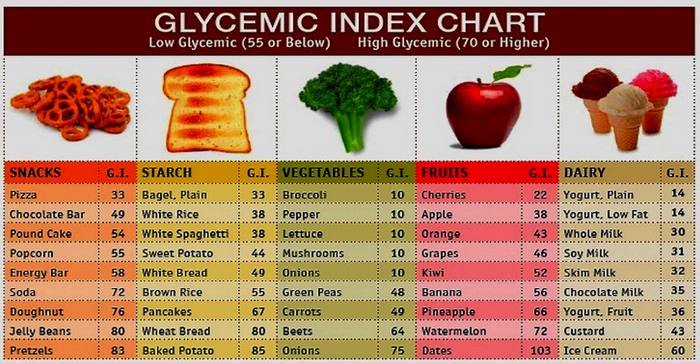
High-glycemic-index (GI) diets could increase the risk of depression in postmenopausal women, according to a study published in the American Journal of Clinical Nutrition.